




🌸 An Introduction to Traveling into the Heart of East Asian History
A Wonderful Journey into the Depths of East Asian History
East Asia has always been recognized as one of the world’s most attractive tourist destinations, showcasing a unique blend of ancient traditions and modern technology. When it comes to traveling to this region, the Japan and South Korea tour stands out as a dream option in every traveler’s mind. With their rich cultural heritage, ancient temples, and magnificent royal palaces, these two countries offer history and archaeology lovers an exceptional opportunity to travel through time itself.
The travel and immigration agency Dayan Tek, with years of brilliant experience, accompanies you on this enriching journey. Traveling to these lands is not just a simple vacation — it is a stroll through centuries of civilization, art, and astonishing architecture that has remained untouched to this day. From Tokyo’s wooden temples to Seoul’s stone walls, every corner of this trip has an untold story to tell.
Careful planning for visiting these historic places requires full awareness of climate and timing. For instance, many travelers prefer to travel in specific seasons; as discussed in detail in the useful article Why Is Autumn the Best Time to Register for the Japan and South Korea Tour? Let us take a step toward this ancient history together.
🏯 Ancient Temples of Tokyo and Kyoto in Japan
A Look at the Spiritual Architecture of Ancient Japan
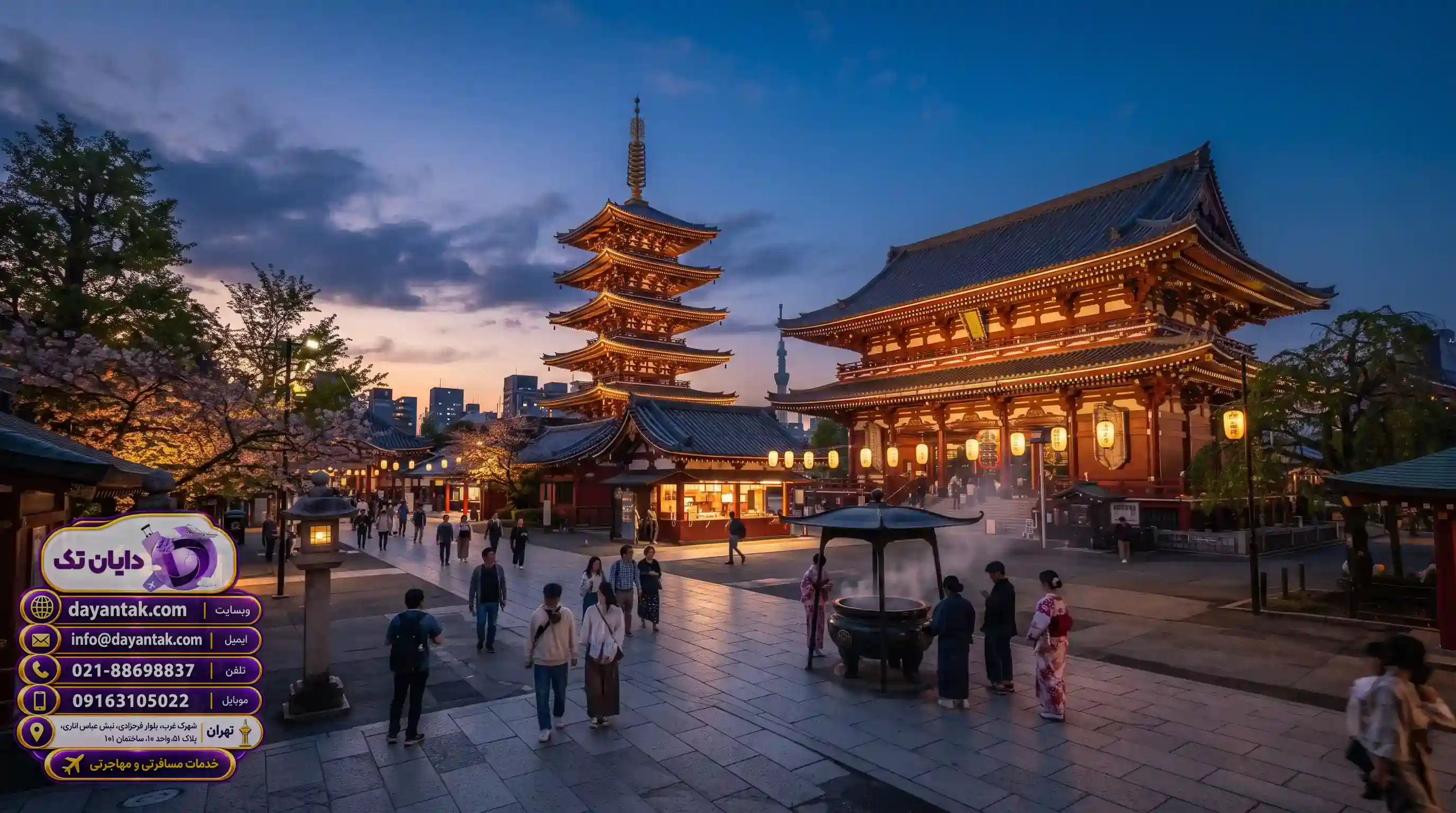
Japan is the birthplace of Shinto and Buddhist traditions, and cities such as Kyoto and Tokyo hold unmatched treasures of this culture. When you travel to this country on a specialized tour, visiting the Senso-ji Temple in Tokyo — the city’s oldest temple — fills you with a spiritual atmosphere. The wooden architecture of these buildings, with their curved roofs and traditional red-and-white coloring, dazzles every observer.
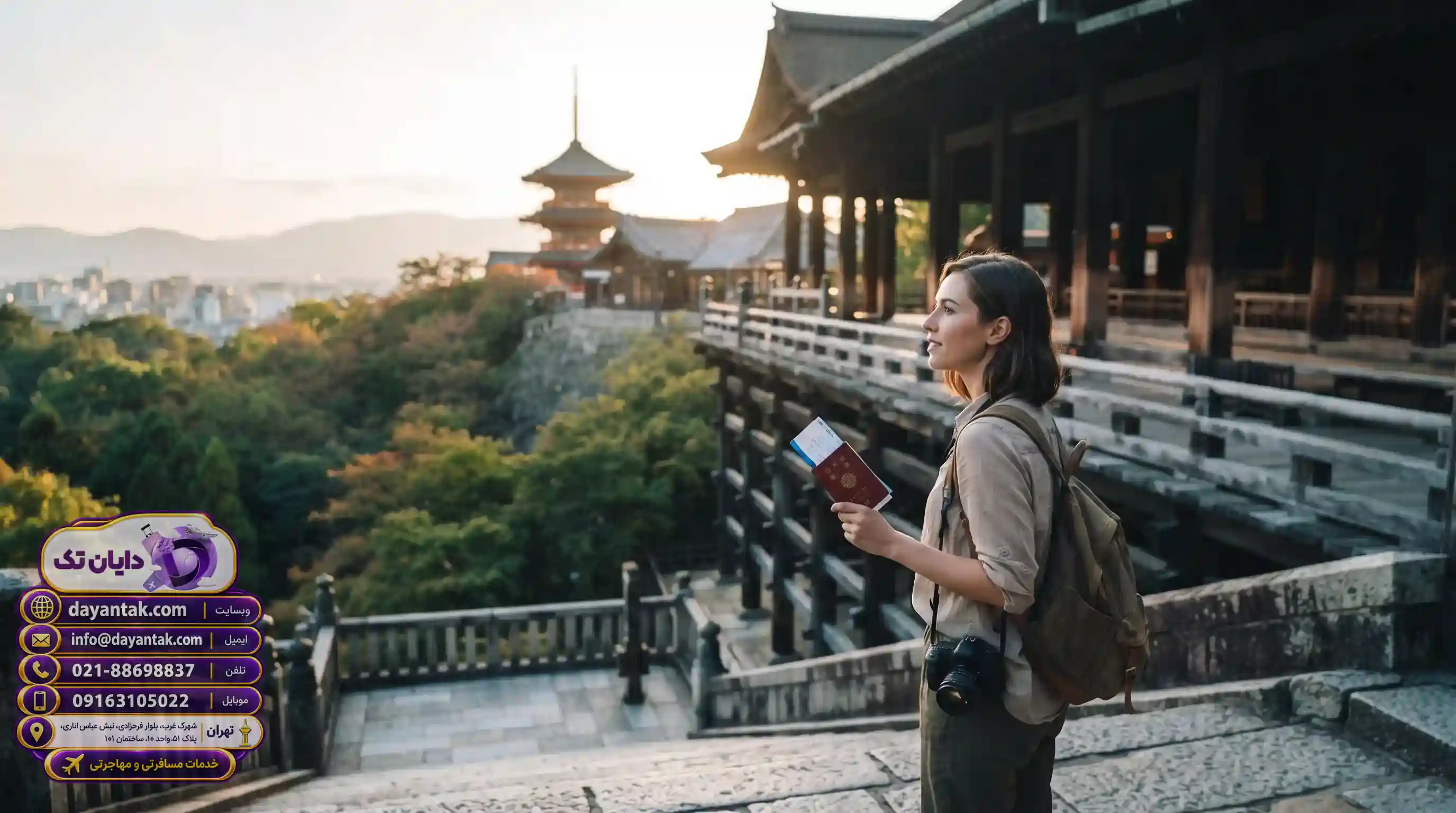
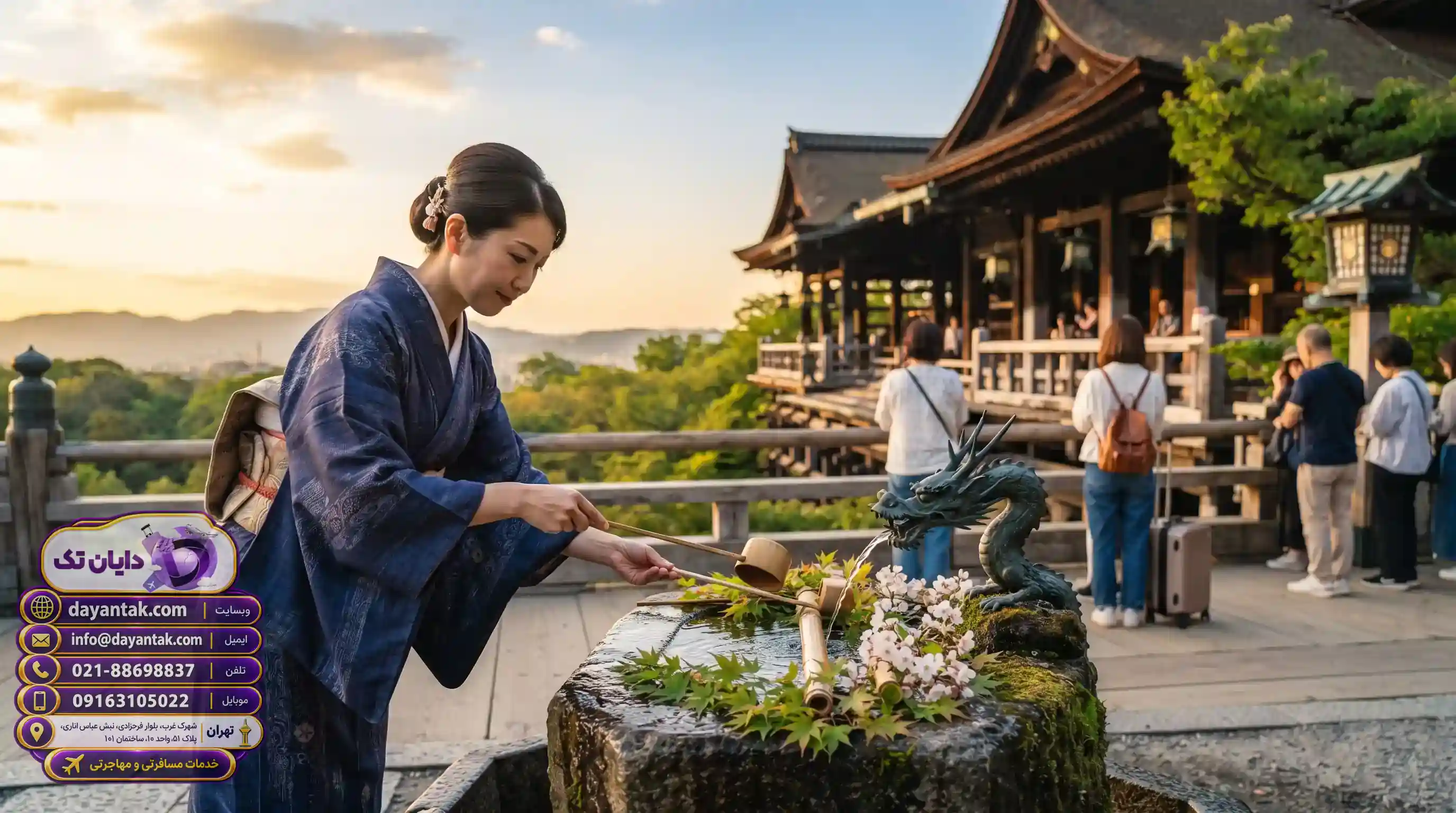
On the other hand, Kyoto, Japan’s former cultural capital, is home to more than two thousand temples and shrines. The Golden Pavilion (Kinkaku-ji), entirely covered in gold leaf and reflected in the calm waters of its pond, is one of the architectural masterpieces of the world. Likewise, Kiyomizu-dera Temple, with its huge wooden stage built without using a single nail, showcases the advanced engineering of ancient Japan.
For a comfortable stay and easy access to these historic sites, choosing the right hotel is absolutely vital. We recommend taking a look at the comprehensive guide to the most famous and luxurious hotels of the Japan and South Korea tour for a memorable stay.
⛩️ Royal Palaces and Historic Castles of Japan
The Impregnable Fortresses of the Samurai
Japanese castles, once the residences of daimyos (great feudal lords) and samurai, are today recognized as symbols of this country’s power and military art. Himeji Castle, famed as the “White Heron Castle,” is the most beautiful and best-preserved castle remaining from Japan’s feudal era, and it is also inscribed on the UNESCO World Heritage List.
Continuing your historic journey, the Imperial Palace in Tokyo, with its lush gardens and deep moats, displays a slice of the country’s political and royal history. The architecture of these fortresses is a clever combination of sloping stone walls and wooden structures that have withstood earthquakes and enemy attacks with great resilience.
Studying these historic buildings teaches travelers how the Japanese have preserved their age-old traditions in the heart of modern metropolises. The attention to detail in constructing these structures commands the admiration of every historian and architect, and visiting them is an inseparable part of quality tourism programs.
👑 The Glorious Palaces of the Joseon Dynasty in Seoul

Royal Splendor in the Capital of South Korea
Entering South Korea, history moves into a new phase of glory and grandeur. Seoul hosts five great royal palaces from the Joseon dynasty era, the largest and most important of which is Gyeongbokgung Palace. Built in 1392, with its grand throne halls and majestic gates, the palace recalls the power of past kings.
In this complex, visiting the National Folk Museum of Korea and watching the traditional ceremony of the changing of the royal guard gives tourists a living and dynamic experience of history. The architecture of these palaces is based on traditional feng shui principles and complete harmony with the surrounding mountains and nature, granting the palace’s interior a special tranquility.
To learn about the costs and various travel services, reviewing articles such as What Is the Difference Between VIP and Standard Services in the Japan and South Korea Tour Price? greatly helps you choose the best package for your budget so you can visit these sites in maximum comfort.
🏘️ Traditional Villages and Historic Hanok Houses
Preserving Authenticity in Korea’s Traditional Districts
If you want to know how ordinary Koreans lived in past centuries, the traditional Bukchon Hanok Village in the heart of Seoul is the best place to visit. This village is full of traditional Korean houses called “Hanok,” built with curved tiled roofs, earthen and wooden walls, and a traditional underfloor heating system (Ondol).
Walking through the narrow, sloping alleys of this historic neighborhood brings the feeling of returning to ancient times to life. Many of these houses today operate as small museums, traditional tea houses, or handicraft workshops. Alongside this, Jeonju Hanok Village, with more than 800 traditional houses, is another attractive destination for lovers of authentic Korean culture.
Moreover, for travel to some European countries that require going through strict bureaucratic procedures, you can obtain the necessary information from reliable sources such as the Government of France — Official Visa Application Service (France-Visas); but for East Asia, Dayan Tek’s specialized tours have made everything much simpler.
📜 Buddhist Temples and Ancient Treasures of Gyeongju
Gyeongju, South Korea’s Roofless Museum
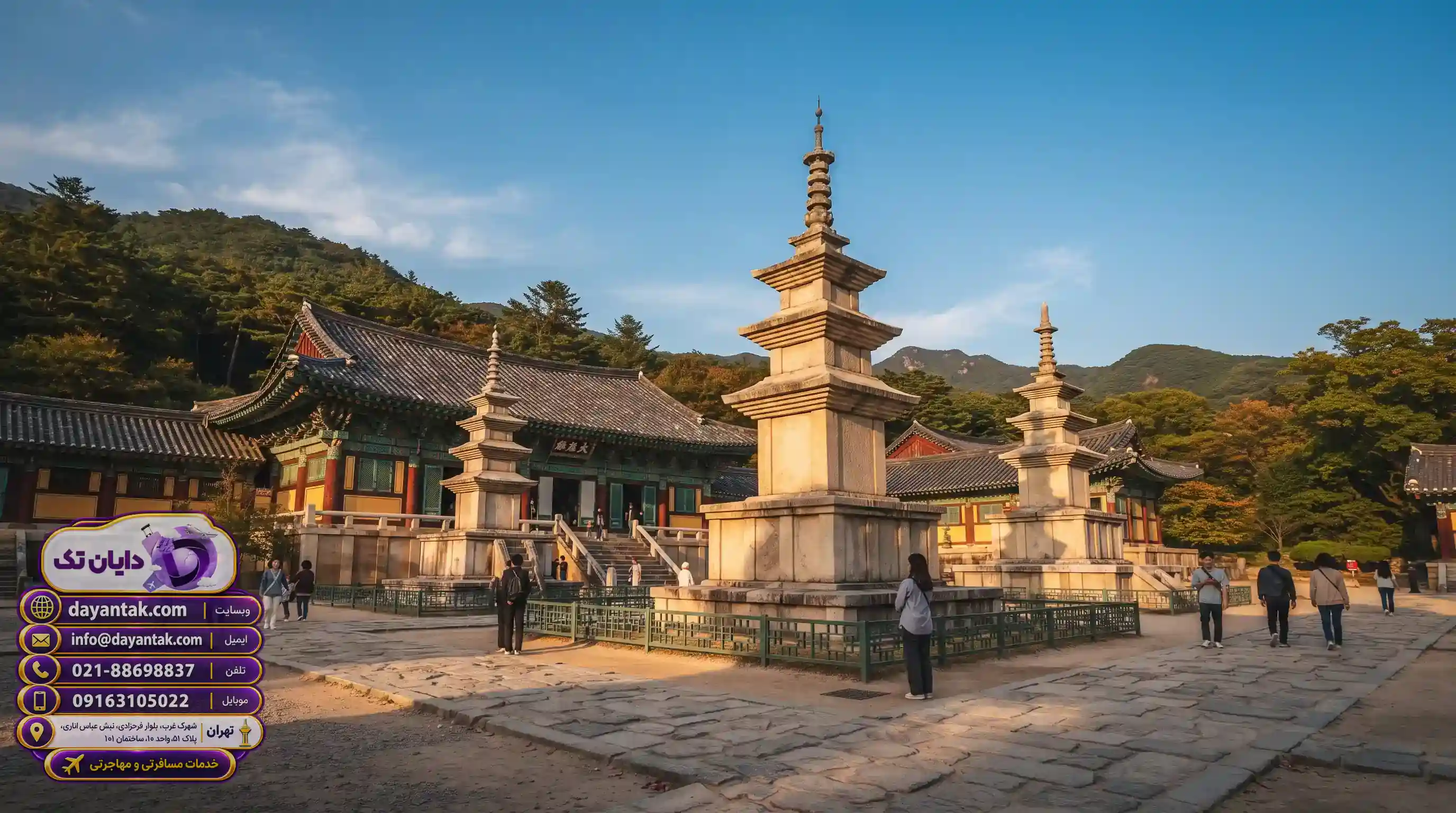
The city of Gyeongju, once the capital of the powerful Silla kingdom, is rightly called the “roofless museum.” The city abounds with dome-shaped royal tombs, ancient stone temples, and unique artworks narrating more than a thousand years of this land’s history. Bulguksa Temple is one of the world’s masterpieces of Buddhist architecture, built in 528 CE.
Near this temple lies the Seokguram Grotto, carved into the rock, where the great statue of Buddha is preserved with exceptional delicacy. This work demonstrates the peak of the Silla era artists’ mastery of stone carving and mathematics. Visiting Gyeongju is considered an absolute must for any tourist interested in ancient history.
To stay informed about the latest visa regulations and travel requirements for this region, you can check the official notices on the Embassy of South Korea — Visa Information website to be fully sure of the legal process of your trip.
⚔️ Comparing the Defensive and Military Structures of the Two Countries
Military Strategies in East Asian Castles
Examining the military architecture of Japan and South Korea reveals fascinating differences and similarities in their defensive approaches. Japanese castles were mostly designed around layers of nested defenses, with sloping stone walls and wooden watchtowers, to withstand attacks by ninjas and large armies. In contrast, Korean fortresses were mostly built on mountains and inaccessible rocks, using natural features as their main defensive shield.
| Comparison Index | Historic Castles of Japan | Defensive Structures of South Korea |
|---|---|---|
| Geographical Position | Flat plains or low hills | Mountainous and inaccessible heights |
| Main Building Materials | Stonework base and massive wooden structure | Natural rock and brick walls |
| Main Purpose | Daimyo residence and military base | Royal refuge and border defense |
These structural differences display the ingenuity and wisdom of the ancient engineers of both countries, who created lasting masterpieces with the limited means of their time.
☕ Art and Traditional Rituals at Historic Sites
A Living Experience of Ancient Culture in Field Visits
History in Japan and South Korea is not limited to stone and wood; it flows through living rituals such as the tea ceremony (Chado in Japan and Dado in Korea). When you visit historic temples or traditional houses, taking part in these ceremonies introduces you to the philosophy of mindfulness, mutual respect, and inner peace. Traditional Japanese green tea and Korean herbal teas gift you an unforgettable taste of this ancient culture.
Wearing each country’s traditional clothing — the Kimono in Japan and the Hanbok in Korea — while photographing beside historic sites is one of tourists’ favorite activities. With their vibrant colors and artistic patterns, these garments create wonderful harmony with the backdrop of ancient palaces and temples and record a lasting memory of the trip.
Through careful planning, Dayan Tek strives to involve its tour travelers in these authentic rituals not merely as spectators but as participants, so they experience a deeper and more meaningful journey.
🛍️ Traditional Markets and Souvenirs of Ancient Times
Strolling Through the Historic Bazaars of East Asia
The traditional markets of every city are the beating heart of its local culture. Kyoto’s Nishiki Market, with a history of several hundred years, is a wonderful place to get acquainted with traditional foods, spices, and Japanese handicrafts. In South Korea, Insadong Market in Seoul, with its antique shops, calligraphy artworks, and handmade ceramics, is a paradise for lovers of history and art.
Buying souvenirs from these markets goes beyond simple shopping; each piece of handicraft carries a story of the culture, skill, and patience of local artisans. From hand-painted Japanese fans to Korean seals and intricately carved wooden boxes, all are precious keepsakes of this historic journey.
Being present in these markets alongside Dayan Tek’s experienced tour guides helps you become well acquainted with shopping etiquette, polite bargaining, and the history of each product, so you can buy the best souvenirs for your loved ones.
🌟 Final Planning for a Unique Trip to East Asia

How to Prepare for the Historic Japan and South Korea Tour?
Traveling to the historic lands of Japan and South Korea requires careful preparation, timely ticket booking, obtaining a valid visa, and choosing standard tourism packages. Given the breadth of attractions and their great historical value, having a coherent travel plan helps you miss none of the architectural and cultural masterpieces of this region.
| Travel Stage | Essential Action | Dayan Tek’s Role |
|---|---|---|
| Step One | Initial consultation and tour selection | Expert, free consultation |
| Step Two | Preparing documents and obtaining the visa | Completing the case and fast visa issuance |
| Step Three | Packing and starting the journey | Full support until returning home |
Relying on the expertise of the professional Dayan Tek team, the dream of traveling to the land of the rising sun and the land of the morning calm comes true. You can fill out the initial consultation form today and plan your historic journey.
| Frequently Asked Question | Short Answer |
|---|---|
| What is the best season for the Japan and South Korea tour? | Autumn, for its pleasant weather and colorful trees, and spring, for its cherry blossoms, are the best times. |
| Do we need a visa for the Japan and South Korea tour? | Yes, entering both countries requires a tourist visa, for which Dayan Tek provides complete services. |
| What is Tokyo’s most famous historic temple? | Senso-ji Temple is Tokyo’s oldest and one of its most popular temples. |
| What is the most important royal palace in Seoul? | Gyeongbokgung Palace is the largest and most important palace of the Joseon dynasty in Seoul. |
| What is the city of Gyeongju in South Korea famous for? | It is known as the “roofless museum” and is full of ancient artifacts and royal tombs. |
| Is staying in luxury hotels included in the tour? | Yes, depending on the choice of a standard or VIP package, high-quality luxury hotels are arranged for travelers’ stay. |
| What services does Dayan Tek provide? | Complete visa services, hotel reservations, flight tickets, and specialized tourism tours. |
| Can we wear local clothing in the traditional villages? | Yes, wearing the kimono in Japan and the hanbok in Korea is very common and popular. |
| What is the difference between Japanese and Korean castles? | Japanese castles are usually built on plains or hills with massive wooden structures, while Korean fortresses are mostly located in inaccessible mountainous areas. |
| How can we request a free consultation? | By filling out the initial consultation form on the Dayan Tek website, you can submit your request. |
Dayan Tek — your reliable partner for migration, visa services, and international travel!
With an experienced team, well-versed in international regulations and committed to providing transparent information, Dayan Tek makes the path to visas, migration, and travel to various countries simpler and safer.
From the initial consultation and choosing the best route to preparing documents and following up on your case;
we are with you all along the way so you can make decisions about your future with greater awareness and confidence.
- ✅ Schengen visa; for Germany, France, Italy, Spain, the Netherlands, and other European countries
- ✅ USA and Canada visas; with expert guidance and careful document review
- ✅ Immigration consultation; for destinations such as Australia and New Zealand
- ✅ Dominica citizenship; through the investment and second citizenship program
- ✅ Tour packages; to Japan, South Korea, Asia, and South America
- ✅ Full case support; from the first consultation to the final result
To receive an initial consultation and learn more about Dayan Tek’s immigration and travel services, contact us:
📧 Email: info@dayantak.com
📍 Find our contact details and office address on the official Dayan Tek website.